
Rankability coupon code searches usually mean you want agency-grade SEO workflows for less—without gambling on random “working code” lists. As of September 2026, I couldn’t confirm a public, sitewide code on Rankability’s official pricing or terms pages, so this page focuses on savings you can verify: the 7-day free trial, the annual billing discount shown on the pricing toggle, and picking the right plan so you don’t overbuy seats or credits. You’ll also get quick steps for applying a promo if you already have one, plus a checklist for why codes fail. Bottom line: lower cost per client deliverable, not just a cheaper invoice.
As of September 2026, I can’t confirm a public Rankability coupon code that works for everyone, so this page is built around savings you can actually verify on the official pricing and terms pages.
You’re an agency owner juggling client reporting, content production, and margin.
You’re an in-house SEO lead trying to standardize output across writers.
You’re a freelancer who wants a repeatable brief → draft → optimize loop.
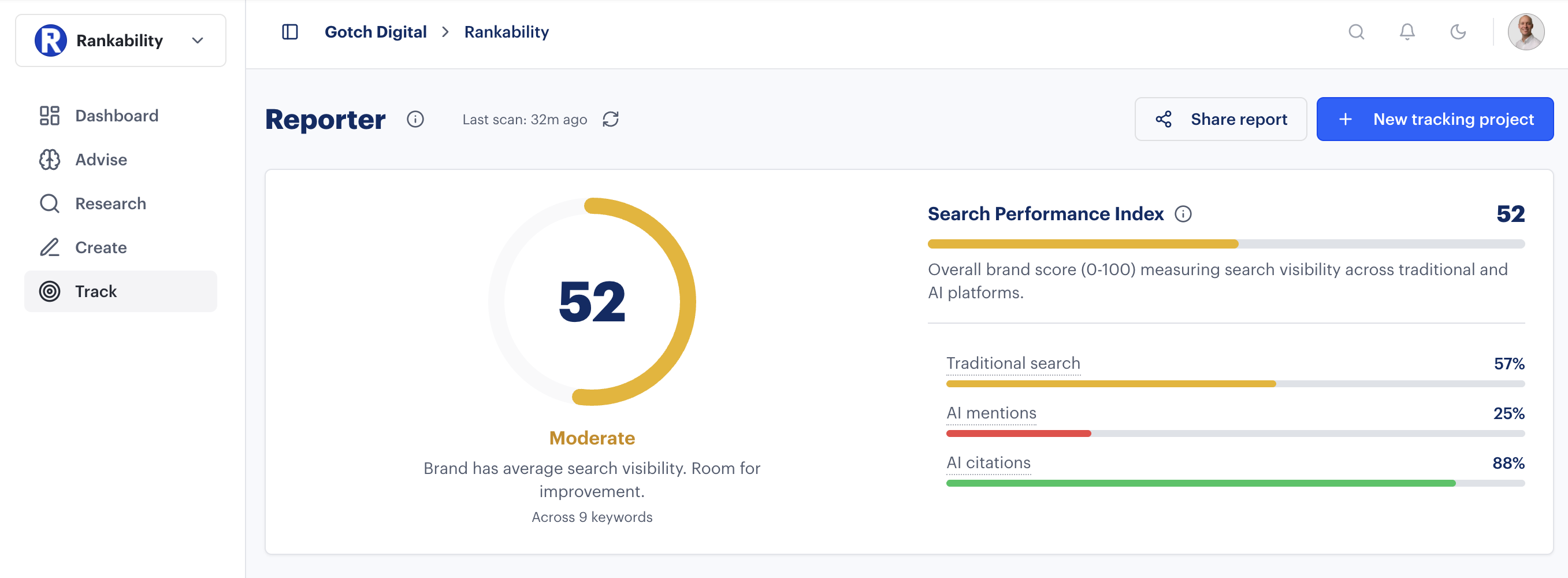
Your checkout may differ depending on region, taxes, and plan cadence. This isn’t magic—pricing + policy, and it’s all in writing. Micro-check: the pricing toggle shows “Annually • Save 17%.” Micro-check: the Terms of Service state a 7-day free trial for new users and that the account is charged at the end of the trial. If the checkout template changes, this may change. Screenshots lie, so trust the total you see before you click pay.
Rankability coupon code status
Here’s the boring truth, backed by what Rankability publishes: I did not find an always-on, publicly posted coupon string on the official pages as of September 2026. That doesn’t mean Rankability never runs promotions; it means you should treat third-party “working codes” as unverified until the official checkout total changes in front of you. Keep receipts. Proof first.
Best for: agencies that want one workflow to research topics, draft content, optimize existing pages, and report visibility across traditional search and AI answers.
Not ideal for: teams that publish rarely, or anyone who only needs a lightweight content score a few times per month.
Check with a professional first if: you publish in YMYL niches and need expert review for claims, citations, compliance, or regulated advice.
I first assumed the cheapest path would be a coupon hunt, then realized the pricing page already bakes in an annual discount and lets you add seats, clients, and credits without jumping tiers.

Plan beats luck when budgets and timelines both matter, so your goal is to buy the smallest plan that still supports your weekly deliverables and then scale capacity only when production spikes.
Best ways to save (no-code)
Most savings come from matching capacity to your actual workflow, not from typing random strings into a promo field. No magic, just math. No fluff. When you evaluate Rankability, think in “cost per client deliverable” rather than “cost per seat,” because agencies feel waste when credits reset and seats go unused.
- Use the 7-day trial like a production test: run one client through Researcher → Copywriter → Optimizer, then export something you can show a client, like a brief and an improvement checklist.
- Choose annual billing only after you have usage proof: the annual toggle is a clear discount, but it is only a win if the tool will be used most weeks.
- Right-size seats and clients before you upgrade tiers: if you only need one more writer seat or a few more clients, the add-ons can be cheaper than a plan jump.
- Buy credit packs for burst months: when you’re doing refresh sprints or heavy drafting, topping up credits can beat locking into a higher monthly tier you won’t keep using.
- Standardize prompts and SOPs: the fastest way to waste credits is to re-run drafts because the team prompts are inconsistent, so build one internal template and stick to it.
Time saved is money. The smartest “discount” is eliminating rework: when your briefs are consistent, your drafts need fewer rewrites, and your optimizer checklist becomes a QA gate instead of an argument.
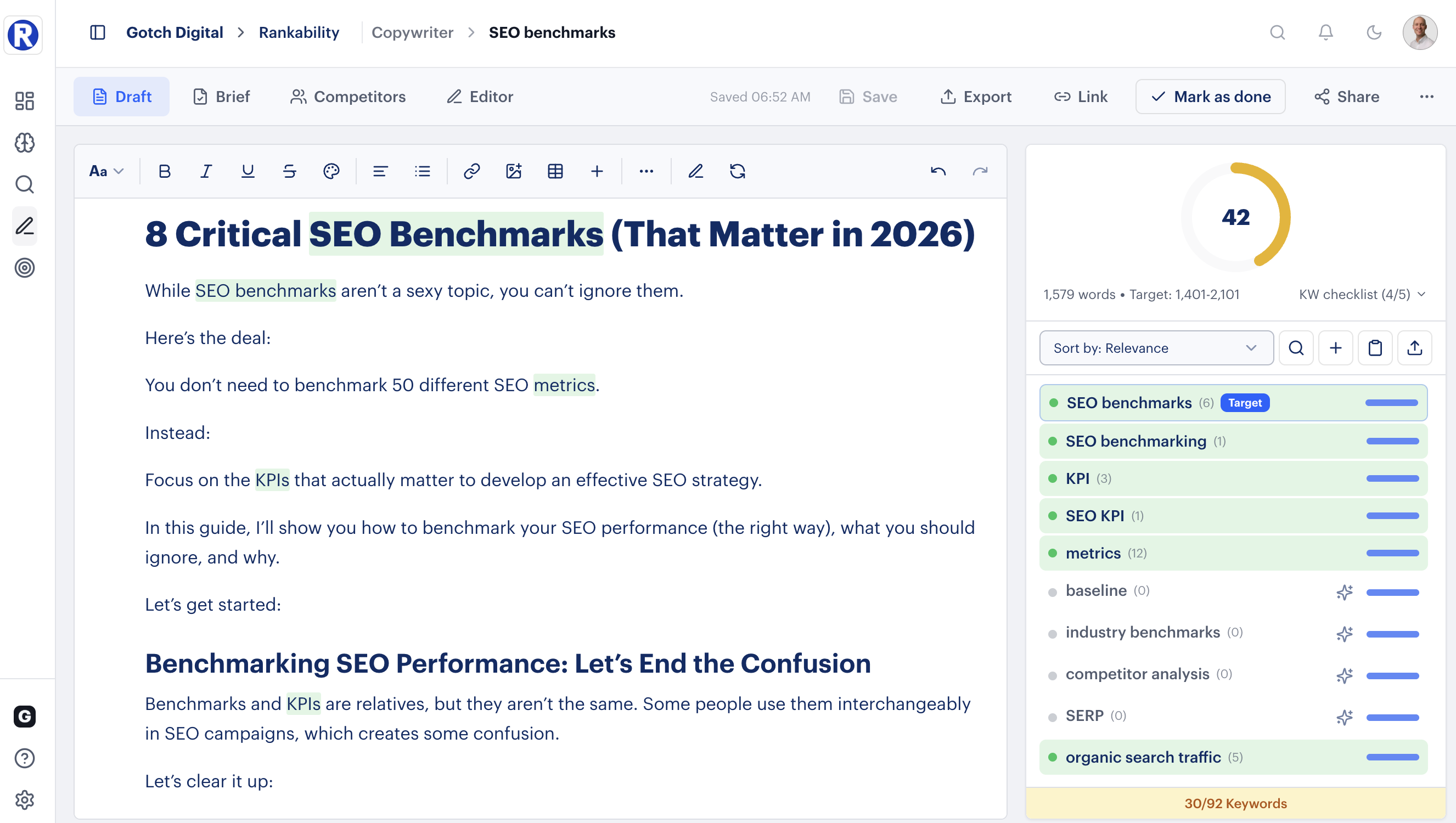
Coupons aren’t a strategy if your team won’t adopt the workflow, so pilot with one client first, document the SOP, and only then scale seats or expand the number of client workspaces.
How to apply a promo (steps)
If you received a legitimate promotion directly from Rankability, applying it should be a short, auditable process that ends with a changed total and a saved receipt. Start from the official buttons in your account, because partner links and discounts often route through specific upgrade flows.
- Log in, then open the official pricing or upgrade path and select your plan (Core, Team, or Agency).
- Pick monthly versus annual billing first so the promotion is tested against the correct cadence.
- Look for a “promo” or “discount” field during checkout, enter the code exactly as provided, and apply it.
- Confirm that the order summary total changes before you submit payment, then save the confirmation email.
- Add a calendar reminder for renewal and for your next plan review.
Spend minutes validating offers, not hours chasing rumors, and you’ll keep your content ops moving even when promos are targeted or temporarily unavailable.
Code fail checklist
If a code fails, it usually fails for a boring reason that is easy to diagnose once you stop changing multiple variables at once. Screenshots lie. Keep a clean troubleshooting path and you’ll waste fewer cycles. One variable.
- The promotion is limited to new accounts, but your email already has an active subscription history.
- The promo is scoped to a specific plan tier, but you selected a different tier or seat count.
- The discount applies only to annual billing, but the checkout is set to monthly billing (or the reverse).
- The code is case-sensitive or copy/paste added an invisible space.
- The offer is tied to a specific link or region, so your checkout variant does not qualify.
- The promotion ended, hit a redemption cap, or was withdrawn, even if a coupon site still lists it.
Ship the page, then optimize with a checklist, because the best ROI usually comes from publishing and iterating, not from perfecting a coupon hunt.
Pricing, credits, and refund reality check
Rankability’s pricing page lists three main plans that are built for agencies: Core, Team, and Agency, and the same page shows an annual option that reduces the effective monthly cost. On the monthly view, the plans are listed at $199/month for Core, $399/month for Team, and $799/month for Agency; the annual view shows an effective monthly rate of $166, $332, and $666 respectively when billed annually.
Capacity is the real “bundle.” Core includes 3 seats, 5 clients, and 25,000 credits per month; Team includes 5 seats, 15 clients, and 75,000 credits; Agency includes 15 seats, 50 clients, and 200,000 credits. If your agency is small but your output is heavy, you can also add capacity without changing plans via credit packs (10,000 credits for $100, 60,000 credits for $500, or 130,000 credits for $1,000), plus extra seats and extra client add-ons. If you’d rather not jump tiers, the pricing page also lists extra seats at $29/seat/month on Core, $25 on Team, and $19 on Agency, plus extra clients at $49/month for +10 clients or $149/month for +50 clients.
Refund expectations should be set before you buy. Rankability’s Terms state that purchases are non-refundable, and subscriptions renew automatically unless you cancel, with cancellation taking effect at the end of the current paid term. Cancel early, sleep better. Budget it.
If you want to compare tiers in the official flow, use this Rankability link, toggle monthly versus annual, and then map the plan limits to your next 30 days of deliverables so you’re buying capacity you will actually consume.
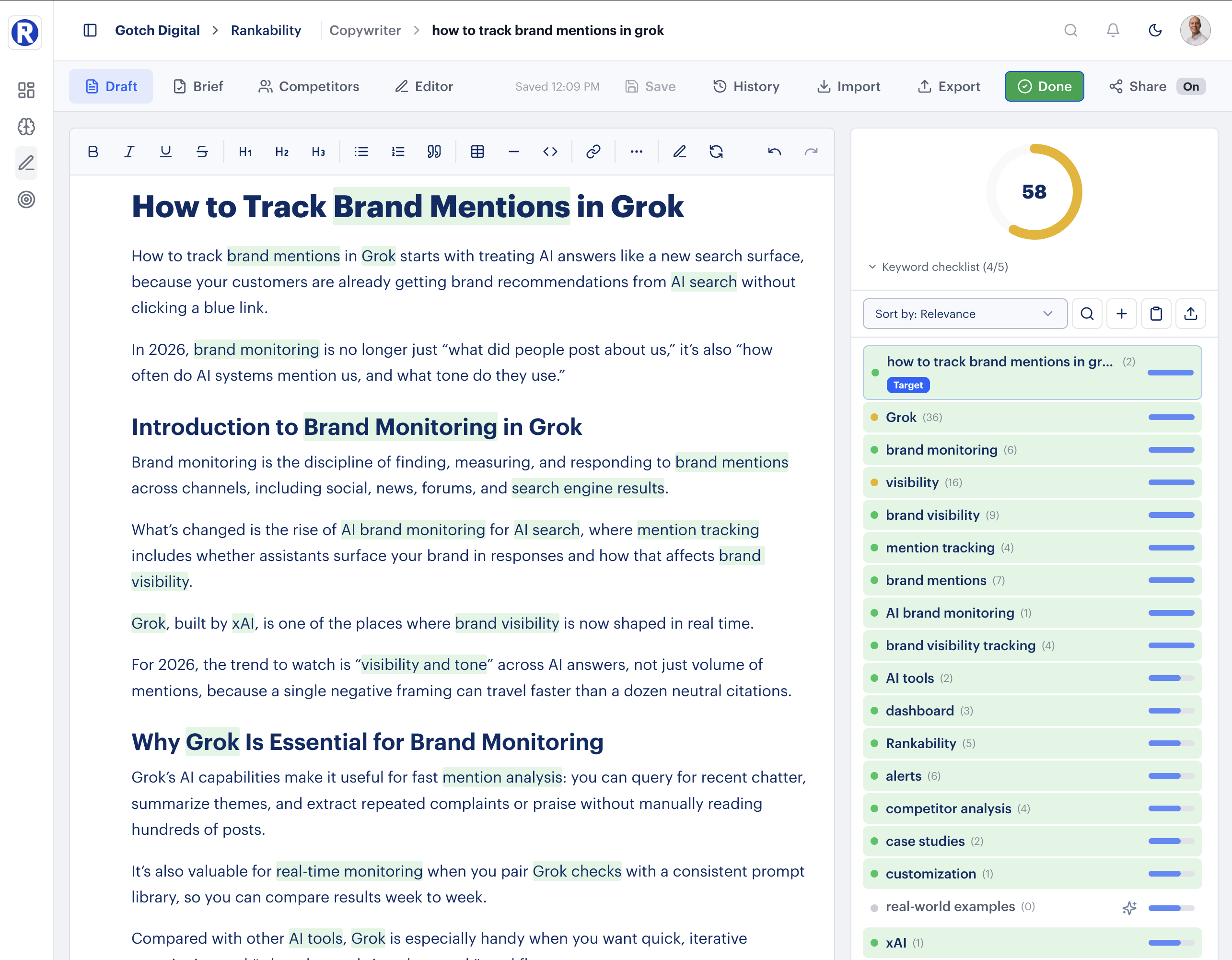
Make the tool earn its fee every single week by building a “weekly loop” your team runs: plan keywords, draft one page, optimize one existing URL, and then share a short performance update with the client.
Seasonality and promo timing
SEO software promotions tend to cluster around predictable moments like major product launches, year-end planning, and broad discount periods such as Black Friday, but you should not budget based on hope. No hype. The clean approach is to check the official pricing page and your account dashboard when you’re about to start a new client cohort or a refresh sprint, because those are the moments when an annual commit or a short-term credit top-up can have the biggest payoff.
If Rankability runs a limited offer, it will typically show as an on-page price change, a dashboard banner, or a partner link that changes the checkout summary; that is why the order summary is the source of truth and third-party countdown timers are not.
Alternatives to compare
If Rankability doesn’t fit your workflow, compare alternatives using the same two or three target keywords so the test stays fair and your team can judge brief quality, draft usability, and optimization guidance without bias. Test fairly.
- Frase: research + brief + content tools with a lighter-weight team workflow.
- Surfer SEO: optimization-focused scoring and recommendations, often paired with a separate research tool.
- Clearscope: editorial-grade content guidance that many teams use for topic coverage and content grading.
- MarketMuse: content strategy and topical authority planning for larger sites and portfolios.
- Semrush: a broader SEO suite that can cover research and tracking, with content workflows layered in.
Compare on adoption, not on feature checklists, because the best tool is the one your writers use consistently without creating more rewrite cycles.
FAQs + operator notes
Q: Is there a public Rankability coupon code right now?
A: As of September 2026, I did not confirm an always-on coupon string published on Rankability’s official pages; treat any third-party code as unverified until it changes the official checkout total.
Q: Does Rankability offer a free trial?
A: Yes. The Terms of Service state a 7-day free trial for new users, and that your account is charged according to the plan you chose when the trial ends.
Q: What is the cheapest reliable way to pay less?
A: Use the trial to confirm fit, then choose the smallest plan that covers your seats, clients, and credit usage; switch to annual billing only once you know the tool will be used most weeks.
Q: Can I change or cancel a plan?
A: The pricing FAQ says you can scale your subscription up, down, or cancel within the app, and the Terms say cancellation takes effect at the end of the current paid term.
Q: Are refunds available if I forget to cancel?
A: Rankability’s Terms state purchases are non-refundable, so the safest practice is to set renewal reminders and cancel before the next charge if you are unsure.
Q: How do I know if a promo is real?
A: A promo is real only when the order summary total changes in the official checkout; if you can’t reproduce it there, treat it as a rumor and use plan math instead.
Operator notes: Last checked: September 2026, after reviewing Rankability’s official pricing and terms pages. Verified on official pages: current plan names and pricing, the annual “Save 17%” toggle language, listed credit-pack pricing, add-on pricing for extra seats and clients, and the Terms language for 7-day free trial, auto-renewal, cancellation timing, and non-refundable purchases. Not verified: any third-party coupon strings, redemption caps, promo stacking rules, or the exact placement of a promo field in every checkout variant across regions.