
Mindgrasp coupon code searches usually mean you want the paid plans for less, fast. As of September 2026, I couldn’t verify a public, sitewide code published on Mindgrasp’s official pages, so this guide focuses on savings you can confirm yourself: using the 4-day trial with a plan, choosing monthly vs yearly billing, and avoiding payment-method surprises. Mindgrasp is built to turn PDFs, articles, and lecture videos into structured notes, flashcards, quizzes, and Q&A—so the best “discount” is whether it saves you real study time. Below you’ll find how promos are applied, why codes fail, and the safest ways to lower your total at checkout.
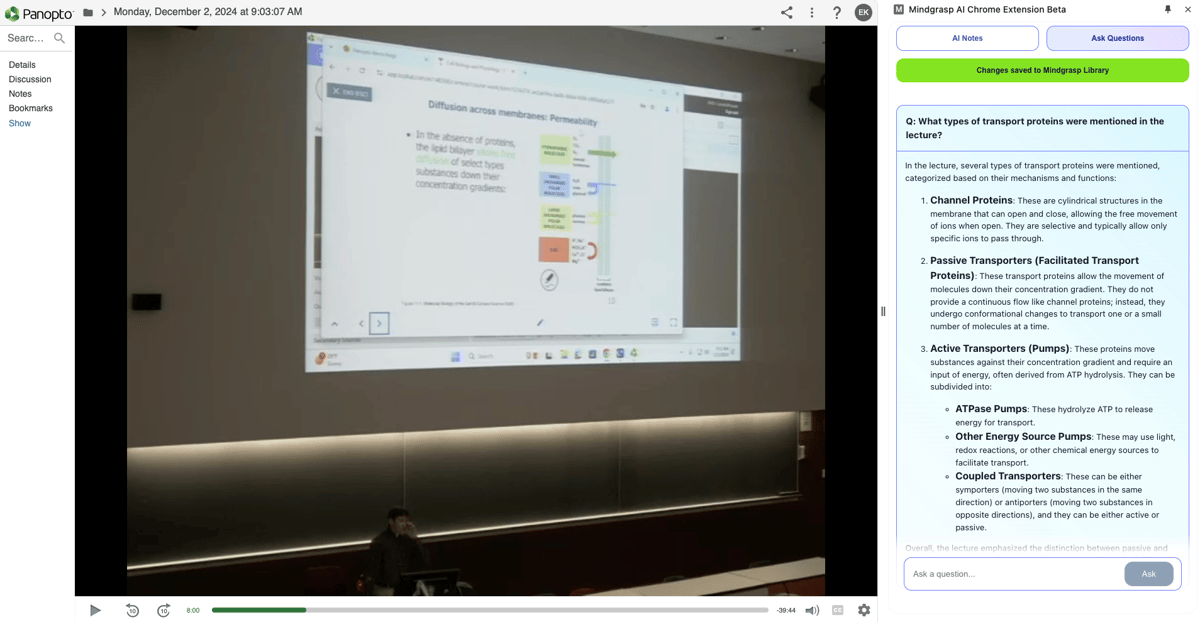
As of September 2026, a Mindgrasp coupon code isn’t something I can reliably verify on Mindgrasp’s official pricing and support pages, so this page focuses on savings you can actually reproduce: picking the right plan, using the free trial deliberately, and avoiding checkout gotchas. You’re a student grinding through lecture PDFs and Panopto recordings before finals.
You’re a professional turning webinars and long reports into usable notes between meetings.
You’re a lifelong learner who wants faster comprehension without endless re-watching.
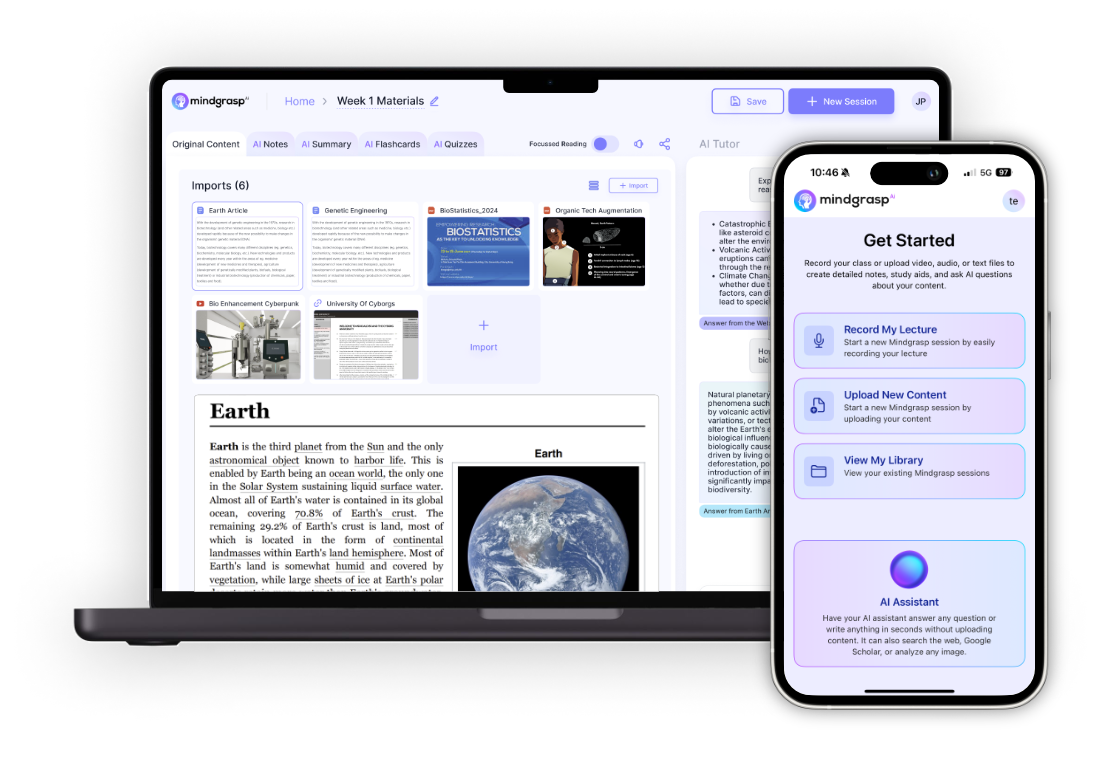
Your checkout may differ based on device, region, or payment method. This isn’t magic—just math: pricing + policy. Micro-check: on the pricing page, the yearly view shows lines like “Per month, billed at $71.88 once per year” under the plan price. Micro-check: Mindgrasp’s help center explains that PayPal checkout won’t show a coupon field, while card checkout can. Read the renewal date twice. If the checkout template changes, this may change.
Mindgrasp coupon code status
Let’s keep it clean: as of September 2026, I can’t confirm any public, sitewide coupon code published on Mindgrasp’s official pages. That doesn’t mean promotions never exist—Mindgrasp’s own help center discusses how discount codes work at checkout—but it does mean you should treat third-party “code lists” as unverified until you can apply them on your own account. Screenshots can lie fast.
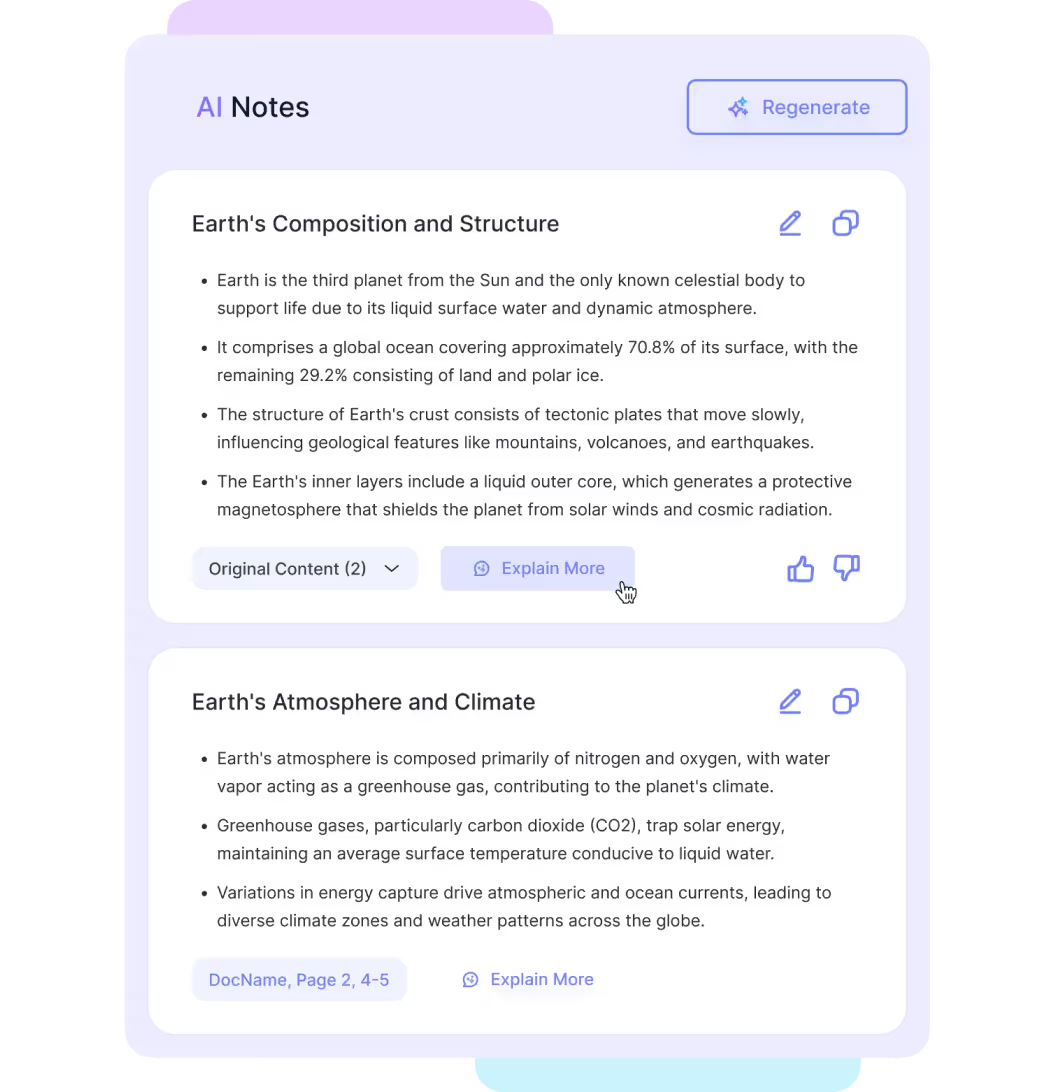
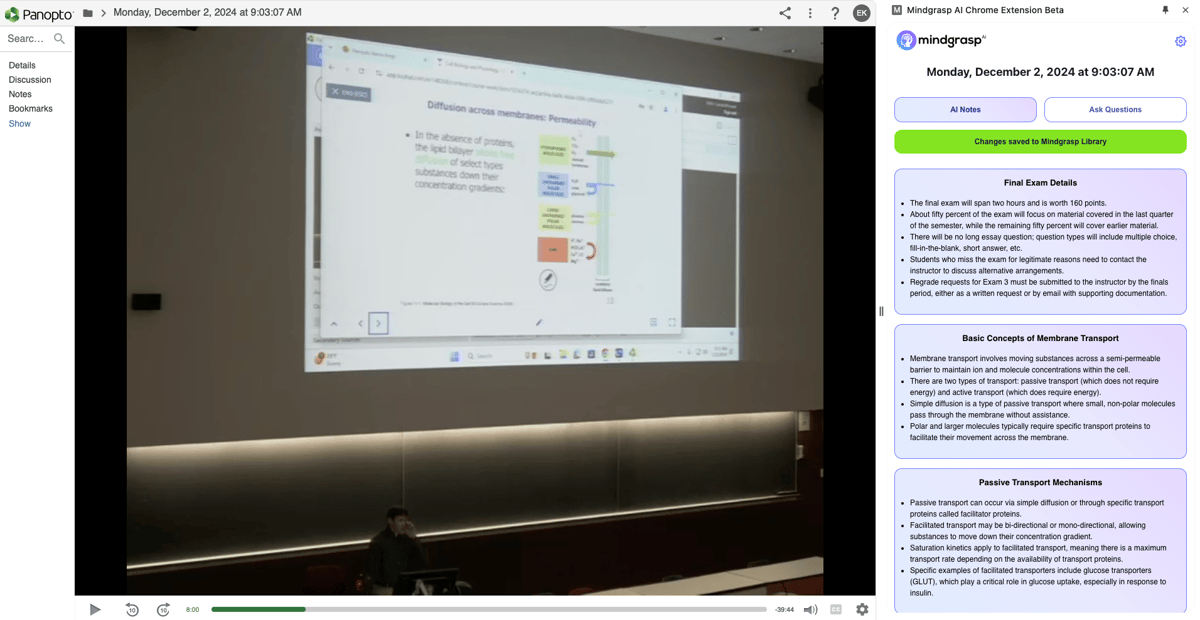
Best for: students and professionals who learn from mixed formats (PDFs, articles, lecture videos, recordings) and want notes, quizzes, flashcards, and Q&A in one workflow.
Not ideal for: people who only need a one-off summary once in a while, or anyone who prefers not to upload learning materials to a cloud tool.
Check with a professional first if: you’re using AI outputs for graded work with strict citation rules, licensing requirements, or academic integrity policies.
I first assumed Mindgrasp would either have a big coupon banner or nothing at all, then realized the official help center explicitly talks about redeeming discount codes (and when you won’t see them).
Here’s the boring truth about codes: if you can’t apply it yourself, it isn’t a deal yet.
For a quick reality check, use the deal link above, compare monthly vs yearly inside the official flow, and only then decide whether you need a code or just a smarter plan choice.
Best ways to save (no-code)
Start from official buttons, not random coupon blogs. Most people save more with plan strategy than with a mystery string typed into a box.
- Use the 4-day free trial like a test plan: upload one “hard” lecture, one PDF chapter, and one YouTube/video link, then see if Mindgrasp outputs notes plus practice questions you’ll actually review.
- Compare monthly vs yearly pricing: Mindgrasp lists higher month-to-month rates and lower effective monthly pricing when billed annually, so choose based on whether you’ll use it most weeks or only during exam sprints.
- Pick the lowest tier that matches your bottleneck: if you mainly need summaries and Q&A, you may not need the top plan; if you rely on the Chrome extension or recordings, higher tiers can be the better value.
- Consider “hibernate” instead of paying through a gap: Mindgrasp’s support docs describe hibernation as pausing the subscription for a period, which can help when school breaks or projects end.
- Pay the way coupons work: if you plan to use a promo code, Mindgrasp says you’ll need card checkout rather than PayPal, since PayPal won’t present a coupon field.
Rule of thumb: pay monthly only when your usage is uncertain, and switch to yearly once you’ve used the tool consistently for a full month.
One extra saver that’s easy to forget is timing your upgrade. If you only need Mindgrasp during finals, midterms, or a certification window, upgrade for that high-intensity stretch and cancel immediately afterward so you don’t drift into another billing cycle by accident.
How to apply a promo (steps)
When you do have a legit promo from Mindgrasp (email, partner link, campus program, or inside your dashboard), use a simple checklist so you know the discount actually applied before you pay. No magic, just math.
- Log in and open the plan/upgrade screen.
- Select your billing cadence first (monthly vs yearly), because many promos target only one cadence.
- Proceed to checkout and enter the code when prompted, then apply it.
- Confirm the total price updates before submitting payment.
- Save your confirmation email and set a calendar reminder for renewal.
Helpful proof beats vibes, so always validate the final total and the renewal date on the last screen—especially if you’re starting a free trial.
Code fail checklist
Most “code doesn’t work” moments are predictable. Keep this list handy so you can troubleshoot fast without rage-refreshing five coupon sites.
- You’re using PayPal, which may not display any coupon option, so the code can’t be entered at all.
- The code is limited to a specific billing cadence (yearly vs monthly) and you selected the other one.
- The promo is only for new subscribers, but you’re on an existing account or a renewal.
- Extra spaces, wrong casing, or copy/paste formatting prevents the code from matching.
- The discount targets a different plan tier than the one you selected.
- You’re on an in-app purchase flow (iOS/App Store) that follows different rules than web checkout.
Operator move: change one variable at a time—billing cadence first, payment method second, then device/browser—so you can see what actually fixed it.
Pricing, bundles, and refund/trial reality check
Mindgrasp’s pricing page shows three paid tiers—Basic, Scholar, and Premium—with a 4-day free trial on each tier. It also shows two billing modes: monthly billing (e.g., $9.99/month for Basic, $12.99/month for Scholar, $14.99/month for Premium) and yearly billing that lowers the effective monthly cost (e.g., $5.99/month billed as $71.88/year for Basic, $8.99/month billed as $107.88/year for Scholar, and $10.99/month billed as $131.88/year for Premium). If you’re bargain-hunting, the “deal” is usually the yearly billing, not a coupon.
Now comes the policy part that really matters for your wallet and renewal risk. Mindgrasp’s support documentation says you’ll be automatically charged at the end of the free trial unless you cancel, and it also states they generally cannot issue refunds once a billing cycle has started unless cancellation happened before the billing date. That means your safest “savings” lever is behavior: test hard during the trial, then cancel on time if it’s not earning its keep.
Here’s a simple evaluation workflow: (1) upload a lecture video and generate notes, (2) ask three targeted questions you’d actually see on an exam, (3) generate flashcards or a quiz and use them for a real session, and (4) decide within the trial window whether you’re keeping it. If you can’t point to a time savings, don’t subscribe out of optimism.
If you want the current plan comparison in one place, use this Mindgrasp deal link and confirm the total in the official checkout before paying.
Seasonality
Mindgrasp is an education-focused subscription, so promotions—when they exist—tend to show up around predictable academic moments: back-to-school, midterms, finals, and the big retail promo weeks. The catch is that education tools sometimes skip public coupon codes and lean on pricing structure (monthly vs yearly) instead.
The practical play is to check pricing at the start of a semester and again when you’re about to ramp up study volume. If you’re only using it intensely for a short window, monthly can be the more controllable option; if you’re using it weekly, yearly pricing is often the simplest “discount” you can lock in.
Alternatives
If Mindgrasp doesn’t match your workflow, these alternatives can cover parts of the same job. Pick based on your primary input type and how much structure you want around studying.
- YouLearn AI: a study-first tool that also focuses on turning videos and documents into notes and practice materials.
- Study Fetch: another study companion aimed at flashcards, quizzes, and course workflows.
- Google NotebookLM: strong for grounded summaries and Q&A when you want answers tied to your sources.
- ChatGPT: flexible tutoring and explanation, especially if you bring your own excerpts and prompts.
- Humata: a PDF-focused option for document Q&A and extraction tasks.
Operator reminder: the best alternative is the one you’ll actually use twice a week, not the one with the fanciest feature list.
FAQs + operator notes
Q: Does Mindgrasp offer a free trial?
A: Yes. The pricing page shows a 4-day free trial for its paid plans, and the help center notes that you’ll be charged automatically when the trial ends unless you cancel.
Q: Why can’t I enter a discount code when paying with PayPal?
A: Mindgrasp’s help center explains that PayPal doesn’t support their coupon setup, so you won’t be prompted to apply coupons when you pay with PayPal; discount codes are redeemed through card checkout.
Q: What are the plan tiers, and what changes as you upgrade?
A: Mindgrasp lists three tiers—Basic, Scholar, and Premium—and the higher tiers add features like the AI Math Expert, Chrome extension access, and more recording or multi-upload capability.
Q: Can I get a refund if I forget to cancel?
A: Mindgrasp’s refund policy article says they generally cannot issue refunds once a billing cycle has started unless a cancellation was successfully completed before the billing date, so it’s best to cancel before renewal if you’re unsure.
Q: Is there a way to pause instead of canceling?
A: The help center describes “hibernating” an account as a way to pause or postpone the subscription’s active status and payment date for a period, which can be useful between semesters or projects.
Q: What’s the safest way to tell if a promo is real?
A: Use it only inside the official checkout flow and confirm the final total changes before paying; if you can’t reproduce it there, treat it as unverified.
Operator notes: Last checked: September 2026 — verified on official sources: current plan names and pricing structure (monthly vs yearly), the 4-day trial display on pricing, PayPal coupon limitations, auto-charge behavior at the end of the trial, refund/cancellation language, and the existence of a “hibernate” option in support documentation. Not verified: any coupon strings, “exclusive” discounts claimed by third-party coupon sites, or any time-limited sale messaging outside Mindgrasp’s own pages.