
Keyword.com coupon code searches usually mean you want accurate rank tracking (plus AI visibility) for less, without wasting time on recycled “working code” lists. As of September 2026, I couldn’t confirm any public, sitewide coupon strings posted on Keyword.com’s official pages, so this guide focuses on savings you can verify: the built-in annual pricing perk, using the free trial to test accuracy, and right-sizing your tracking volume. I’ll also show where promo fields typically appear, what to do when a code fails, and a few smarter ways to reduce your total without gambling on unverifiable discounts.
As of September 2026, a Keyword.com coupon code is hard to verify as “public and always-on,” so this page focuses on savings you can confirm inside the official pricing flow instead of chasing recycled promo lists. Here’s the boring truth about coupon hunting online. You’re an agency lead who needs client-ready rank reports that people actually trust.
You’re an in-house SEO who tracks dozens of locations and devices.
You’re a founder who wants clean rank data without paying for a full SEO suite.
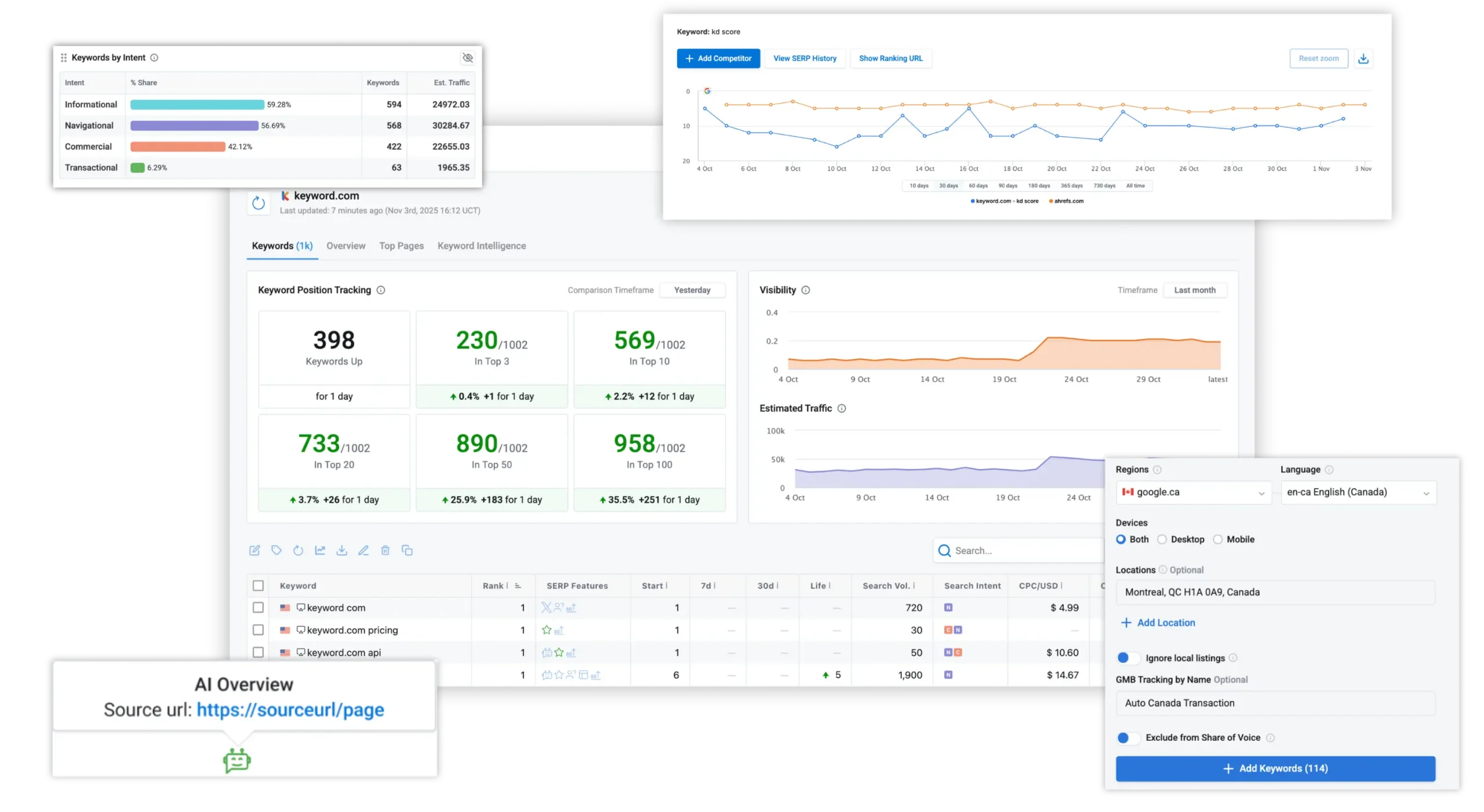
Your checkout may differ depending on taxes, currency, or account status. This isn’t magic—just math: pricing + policy. Micro-check: on Keyword.com’s pricing page, the annual option is labeled “Annually (2 months free).” Micro-check: that same page states a 14-day Business Plan free trial with 200 keywords and daily updates, and it notes no credit card is required. Screenshots lie when plan toggles change fast. If the checkout template changes, this may change.
Keyword.com coupon code status
Keyword.com is a rank tracking and SERP analytics platform aimed at SEO professionals, agencies, and enterprise teams, with options like daily or weekly updates, local tracking by ZIP code, and AI visibility monitoring. Start from the official pricing page every time. As of September 2026, I couldn’t confirm a public coupon string that’s posted for everyone on the site. That doesn’t mean promos never exist; it means you should treat third-party “working codes” as unverified until the official order total changes.
Best for: teams that need accurate SERP tracking across locations/devices, share-of-voice insights, and client-facing reporting without a bloated SEO suite.
Not ideal for: creators who only check a handful of keywords once a month, or anyone who wants an all-in-one backlink + site audit platform.
Check with a professional first if: you publish in regulated/YMYL niches and need expert review for claims, citations, and compliance before content goes live.
I first assumed the best savings would come from a coupon string, then realized Keyword.com’s most dependable savings levers are simply billing cadence and right-sizing your tracked keywords.
Save time first, then save money today. In practice, the “deal” is whether Keyword.com reduces time spent arguing about rank accuracy, chasing localized SERPs, or reconciling inconsistent reports across tools.
Best ways to save (no-code)
Most reliable savings come from decisions you control: what you track, how often you update, and whether you pay monthly or annually. The best discount is fewer wasted refreshes. If your workflow is still experimental, keep commitments flexible and scale only after you’ve proven value with real projects and real stakeholders.
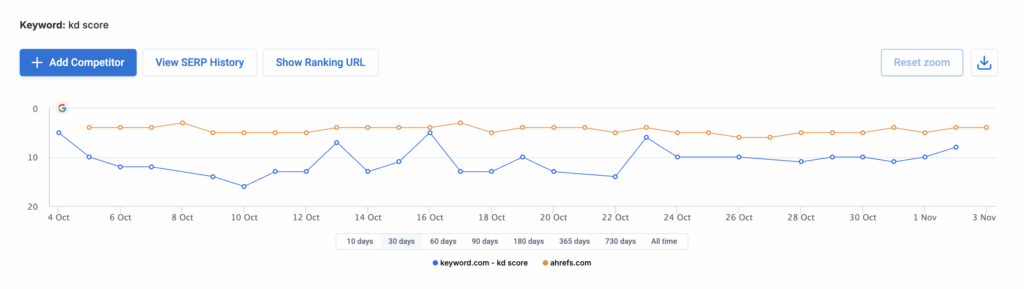
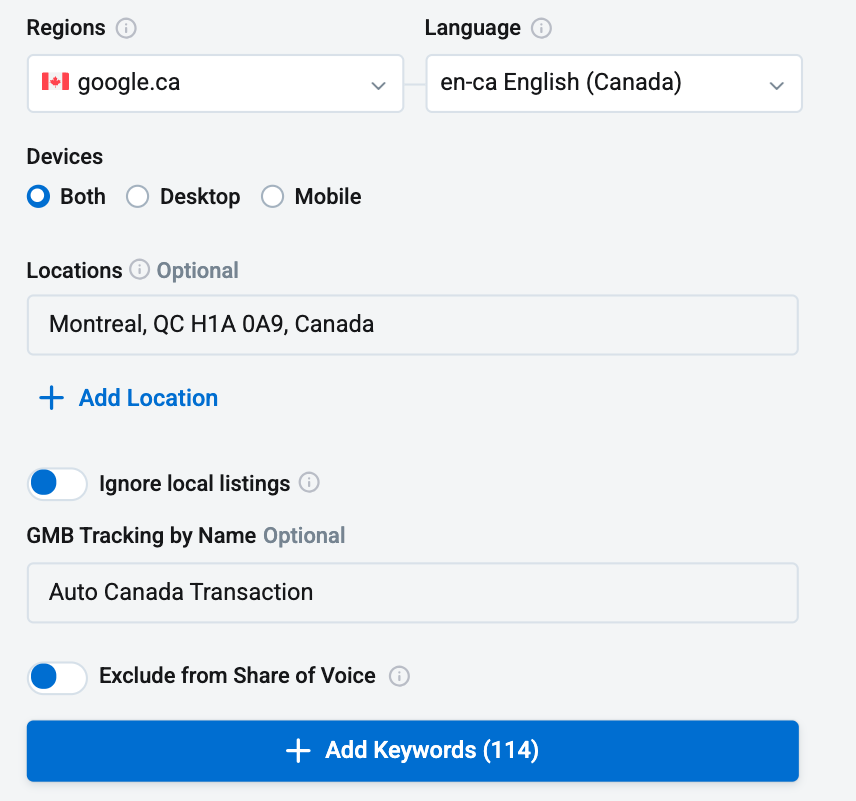
- Use the trial as a production test: track one high-stakes keyword set across the locations/devices you actually report on, then compare the results to what your team considers “truth.”
- Match update frequency to the decision cadence: daily updates are useful when you act daily; weekly is often enough when reporting is weekly and optimizations ship in batches.
- Right-size keyword volume: start with your revenue-driving pages and keywords, then expand once you have a stable tagging and reporting system.
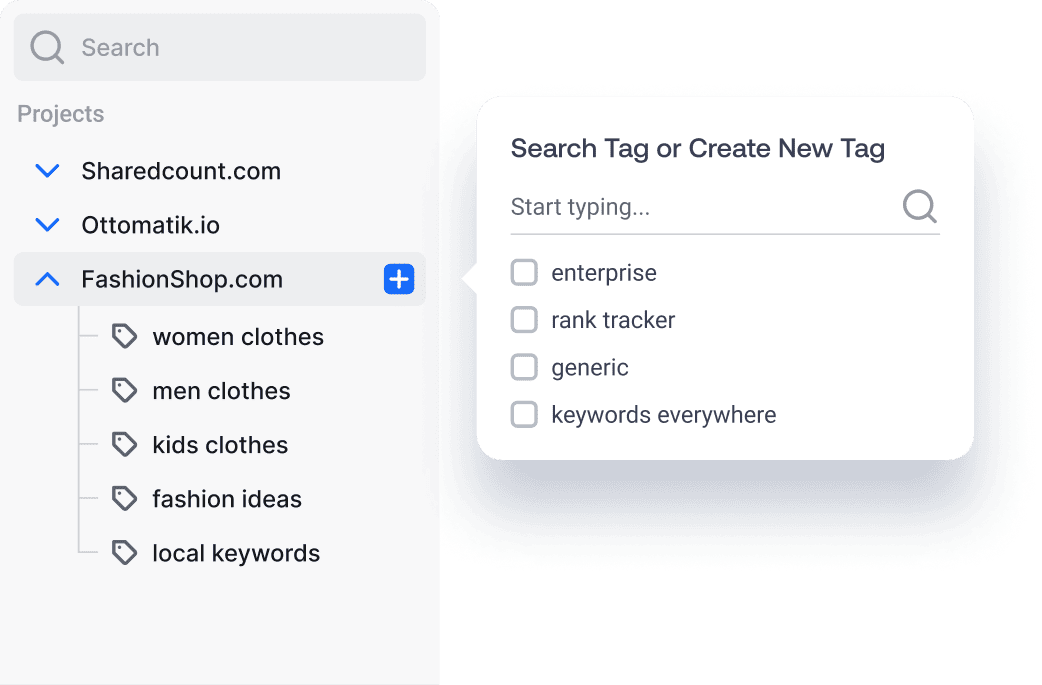
- Segment with tags and projects: clean organization prevents duplicate tracking and reduces the temptation to “track everything just in case.”
- Plan for add-ons deliberately: if you want AI visibility monitoring, decide who will use it, what questions it answers, and how often it will be reviewed.
Rule of thumb: if you only act on rankings weekly, weekly updates are usually enough; if you run experiments daily, pay for daily.
No magic—just math.
Treat credits and limits like inventory always. A simple way to lower your effective cost is to run a weekly routine: review winners/losers, annotate changes (content edits, links, releases), and then let the tool’s history do the storytelling for your client or exec update. If you’re not using the history, you’re paying for data you won’t act on.
If you want the fastest path into the official flow, use this Keyword.com link and compare plan options based on the number of tracked keywords you truly need right now.
How to apply a promo (steps)
If you received a legitimate promotion directly from Keyword.com (for example, an email offer, a partner deal, or a sales quote), keep the process auditable. Do the math on outputs per week. Apply the code once, confirm the total changes, and save proof for finance or future renewals.
- Log in and open the official upgrade or subscription flow from your account.
- Select your plan settings first (keyword volume and update frequency), then confirm monthly versus annual billing.
- Look for a promotion or discount field during checkout and enter the code exactly as provided.
- Confirm the order summary total updates before submitting payment.
- Save the receipt email and set a renewal reminder on your calendar.
Check the order summary.
Make the tool earn its seat cost. If a promo requires special steps (like a specific link or invoice flow), follow the instructions you received and verify the final total before you click pay.
Code fail checklist
When a code fails, move on quickly. Promo rules are usually scoped by plan, cadence, and account status, and you’ll save more money by switching to plan math than by doom-scrolling coupon aggregators.
- The promotion is limited to new customers, but your account has subscription history.
- The code is valid only for annual billing, but monthly billing is selected (or the reverse).
- The promo applies to a specific plan configuration (keyword volume/update frequency), but you chose a different setup.
- Copy/paste introduced a space, or the code is case-sensitive.
- The offer is tied to a specific checkout link, region, or currency.
- The promotion expired, hit a redemption cap, or was withdrawn even if third-party sites still list it.
Between retries, change one variable at a time—billing cadence first, then plan settings, then browser/device—so you can see what actually changed the result.
Pricing/bundles + refund/trial reality check
Keyword.com’s pricing page frames plans around flexible keyword volume and update frequency, and it highlights an enterprise path for large portfolios that need custom volumes. Policies usually outlast promos, so read them once. The Terms of Service explain that subscriptions renew automatically until you cancel, and that you need to cancel before the renewal date to avoid being charged for the next billing cycle.
Refund expectations matter most when renewal hits. The same Terms include a refund policy stating that fees are non-refundable, and that you will be billed in full for the subscription term in which you cancel with no refunds for unused time. Cancel early, sleep better.
That means your safest evaluation path is simple: treat the trial as a checklist, decide before renewal, and keep a renewal reminder on your calendar. If you’re buying for a team, document who owns renewals and who monitors usage so you don’t pay for seats that go idle after the initial setup month.
One more practical angle: bundles only help if your team uses the bundled features. If you’re paying for daily updates, make sure you have a habit that actually uses daily data (alerts, annotations, weekly reporting that references daily swings, or experiments that require tight timelines). Otherwise, weekly tracking plus better analysis discipline can be the better value.
Seasonality
Rank tracking demand tends to spike during predictable windows: big site migrations, algorithm updates, heavy publishing seasons, and quarterly reporting periods when stakeholders want proof. Some SaaS brands run seasonal promos around events like Black Friday, but you shouldn’t budget on hope. The smarter approach is to align your plan level with your next delivery window, then review usage after the sprint ends.
If you’re an agency, seasonality often looks like onboarding waves. If you’re in-house, it looks like product launches and content refresh cycles. In both cases, plan math is more dependable than coupon hunting: track what matters first, then expand coverage when you can explain why each tracked keyword exists.
Alternatives
If Keyword.com isn’t the right fit, compare alternatives based on the same three constraints: accuracy for your locations, reporting workflow, and cost predictability as keyword volume scales. Use the same test keyword set across tools so you’re comparing like-for-like.
- SE Ranking: a broad SEO platform with rank tracking plus site audit and other tooling.
- AccuRanker: known for fast updates and rank tracking focus for agencies.
- Nightwatch: reporting-first rank tracking with segmentation and dashboards.
- Nozzle: detailed SERP data and enterprise-friendly tracking depth.
- Semrush Position Tracking: a suite option if you already rely on Semrush for research and audits.
Pick the tool your team will actually open weekly, because adoption is what turns tracking into outcomes.
FAQs + operator notes
Q: Is there a working Keyword.com coupon code right now?
A: As of September 2026, I couldn’t confirm a public, sitewide coupon string posted on Keyword.com’s official pages. If you receive a code directly from Keyword.com, treat it as valid only when the official order summary total changes before payment.
Q: Does Keyword.com offer a free trial?
A: Yes. Keyword.com’s official pricing page describes a free trial. Use it to test the locations, devices, and reporting outputs you truly need, not just a quick demo.
Q: What should I do if a promo code won’t apply?
A: Verify plan settings and billing cadence, remove spaces, and retry once. If it still fails, assume the promo is targeted, expired, or scoped to a different plan configuration, and switch to no-code savings like annual billing and right-sizing.
Q: How do cancellations and renewals work?
A: The Terms say subscriptions renew automatically until you cancel, and you must cancel before the renewal date to avoid being charged for the next billing cycle. After cancellation, access continues until the end of the current subscription period.
Q: Are refunds available if I cancel?
A: Keyword.com’s Terms include a refund policy stating fees are non-refundable and unused time in a billing term is not refunded, so it’s important to decide before renewal.
Q: What’s the simplest way to spend less without a coupon?
A: Start with a tight keyword set tied to revenue pages, choose an update cadence that matches your decision-making speed, and expand only when you can explain why the additional tracking will change what you do next week.
Operator notes: Last checked: September 2026 using the official pricing page and Terms of Service. Verified: published trial availability, billing cadence options, auto-renewal and cancel-before-renewal language, and the non-refundable fee policy. Not verified: any third-party coupon strings, any “limited-time” countdown claims, or how a promo field appears in every checkout variant for every country and tax setup.