APILayer coupon code searches usually mean you want a lower price on API subscriptions, but the safest savings come from official plan choices—not random code lists. As of March 2026, I couldn’t confirm a public, always-working code on APILayer’s own pages, so this guide focuses on verified, repeatable ways to reduce cost.
You’ll learn where a private code can be entered, which no-code levers matter most (free tiers, annual billing, right-sizing limits), and what to check around renewals and refunds before you click pay. The goal is simple: pay less, stay compliant, and avoid billing surprises.
-
Reviews
-
Last Used
-
Date Ends
-
Type
-
country
-
Date Added
As of March 2026, I couldn’t confirm a single public APILayer coupon code that’s reliably available to everyone, but the platform does support coupon entry at checkout and offers other legitimate ways to keep costs down. Here’s the boring truth in plain English. Solo dev shipping fast. Startup team watching costs. If you’re in procurement, you’re hunting invoices, terms, and renewal clarity before you commit.
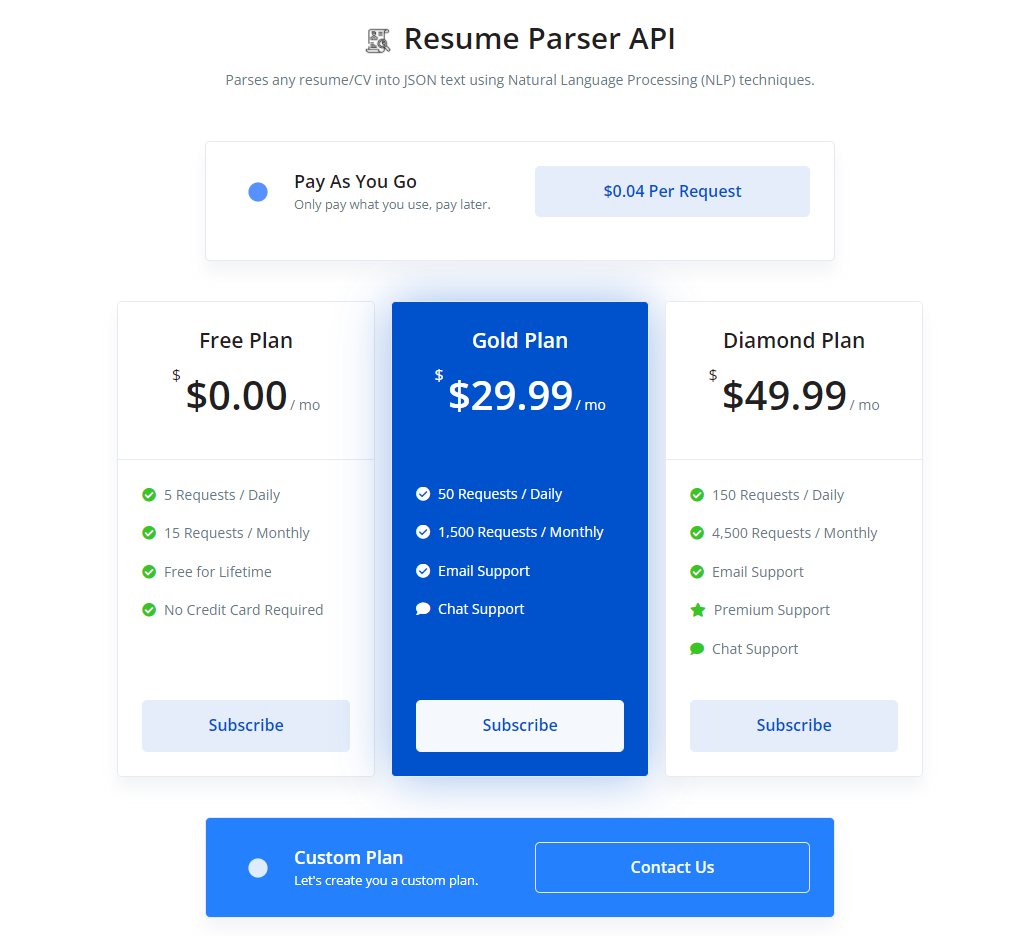
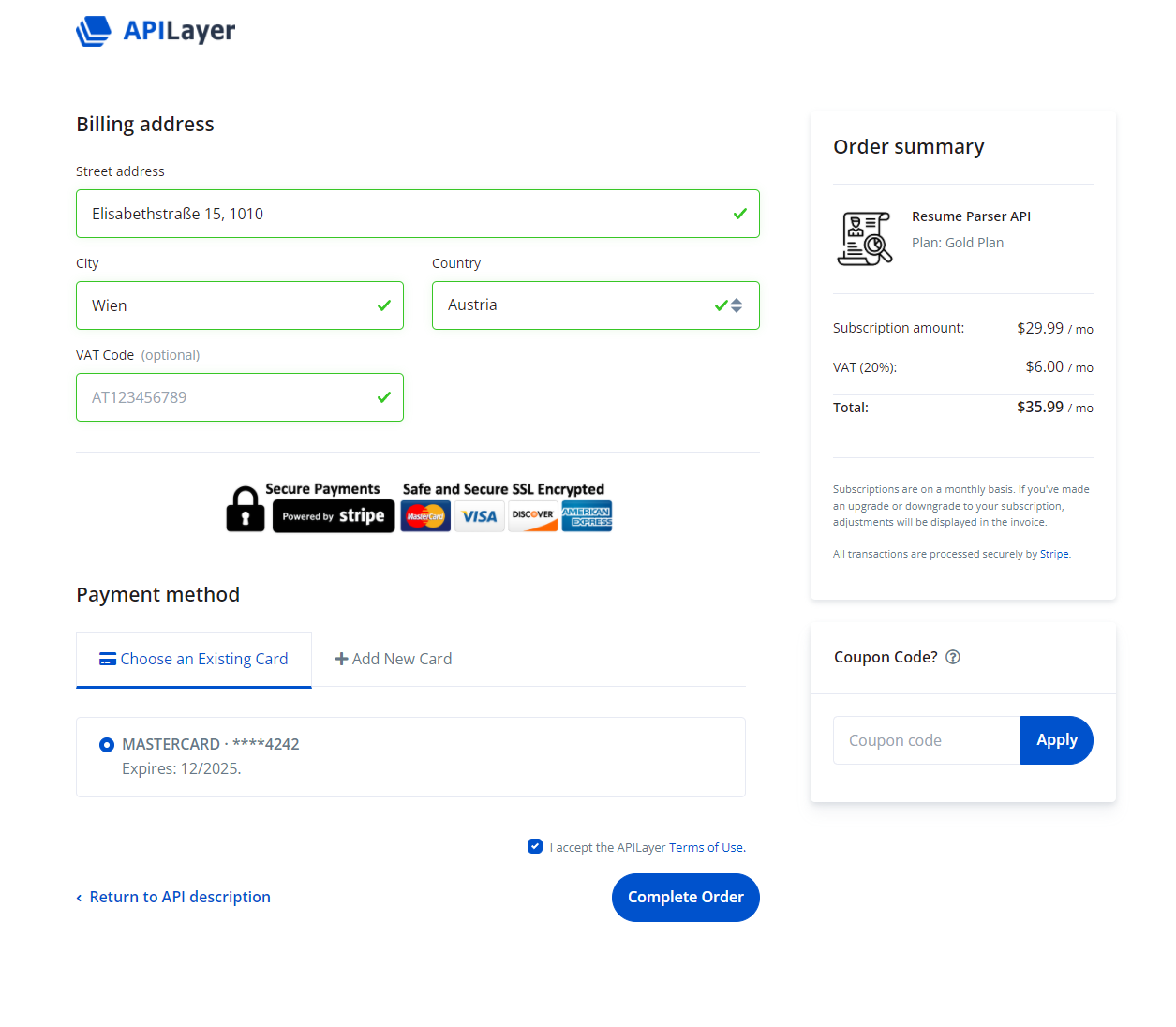
Your checkout may differ depending on country, tax rules, and payment methods. This isn’t magic… pricing + policy. Micro-check #1: the billing page includes a “Coupon Code” field with an Apply button. Micro-check #2: the order summary can show a VAT line and indicates payments are processed by Stripe.
APILayer coupon code status
When people ask for an APILayer coupon code, they’re usually trying to solve one of two problems: either they want a straight discount, or they want the confidence that they aren’t overpaying for an API plan they’ll never fully use. Start from official buttons, not coupon aggregators. The marketplace itself is where you’ll see the real levers: plan tiers (often including a free option), annual billing choices, and any code-based promotions tied to a specific campaign.
In March 2026, I did not find an always-on, sitewide coupon that APILayer publicly advertises as “available for everyone right now.” That doesn’t mean codes never exist—it means they’re commonly distributed through specific channels (partner links, email promos, event campaigns) and must be validated inside your cart totals.
If you want a quick orientation of how APILayer positions the marketplace and why teams use it, this short official overview video is a solid starting point before you make any purchasing decisions.
Best for: developers and product teams that want curated APIs with predictable tiers, straightforward keys, and quick integration across common categories (geo, finance, validation, scraping, and more).
Not ideal for: teams that need fully custom enterprise contracts for every vendor, or anyone who prefers self-hosted open-source alternatives for maximum control.
Check with a professional first if: you’re handling regulated data (PII, financial, healthcare) and need formal compliance guidance—treat this as technical tooling, then validate policy requirements with qualified professionals.
Best ways to save (no-code)
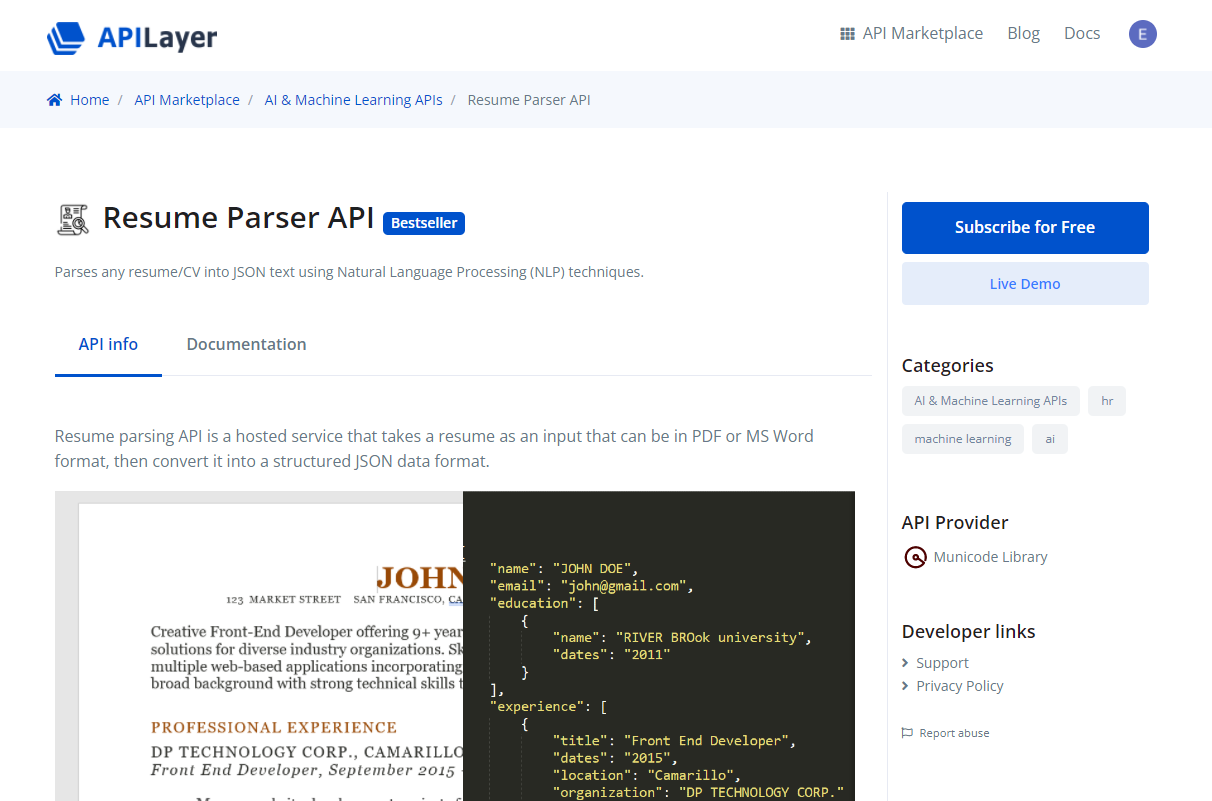
If you can’t verify a working coupon, the smartest savings are “structural”: choosing the right plan and reducing waste. The cleanest savings are usually structural, not viral. APILayer’s marketplace model also means you can subscribe per-API, so you’re not forced into one giant all-you-can-eat bill if you only need a single endpoint.
- Start with the free plan where available: many marketplace APIs include a free tier (unless a listing explicitly says otherwise), which is perfect for prototyping and early integration tests.
- Right-size by requests, not ambition: buy to your actual production volume and error budget, then upgrade only after you see consistent rate-limit pressure.
- Prefer annual billing only when usage is stable: annual plans can be economical when you already know the API will stay in your stack for months.
- Trim endpoints and calls: cache results, batch requests where supported, and avoid polling when webhooks or scheduled jobs would do.
- Monitor remaining quota signals: AP responses commonly expose remaining limits in headers, which lets you alert before users feel a throttle.
- Keep subscriptions consolidated: fewer redundant APIs usually beats stacking multiple similar services “just in case.”
If you want to see what’s live without guessing, open the official flow through this page and compare plan options calmly: visit APILayer via the tracked deal path. No magic coupons required—just better plan math and cleaner implementation choices.
How to apply a promo (steps)
If you received a private promo code (partner, email, event), applying it is quick, but you must confirm it changes the final total before paying. If it’s not in the cart, it’s not real. If the checkout template changes, this may change.
- Choose the specific API you need and select the plan tier that matches your expected request volume.
- Proceed to the billing/checkout step and locate the coupon entry field.
- Paste the code exactly as provided (watch for hidden spaces), then apply it.
- Verify the order summary updates, including any taxes that apply in your region.
- Only complete payment once the total reflects what you expected from the promo.
One practical habit: take a quick screenshot of the final order summary for your records, especially if you’re expensing the purchase or need internal approval later. Screenshots can lie, but totals rarely do, so keep the receipt email as the authoritative proof.
Code fail checklist
Promo codes fail for boring reasons. Read this once, then move on. If a code doesn’t apply, run the checklist below before you waste time hunting “another code” that won’t work either.
- Wrong product scope: codes are often tied to a specific API listing, not your entire account activity.
- Wrong billing interval: a code may apply to monthly or annual plans only, and it won’t stack across intervals.
- Already-discounted tier: some promos can’t be combined with certain plan structures or promotional pricing.
- Account eligibility: first-time customer codes, partner codes, or event codes can be limited to a subset of users.
- Expired or limited redemptions: many campaigns cap usage or stop working after an end date.
- Formatting issues: try re-typing the code exactly as issued, including capitalization.
If you still can’t apply it, the most efficient move is to contact support with the code and the plan you’re trying to purchase, then ask whether the promotion is valid for that specific listing and billing interval.
Pricing/bundles + refund/trial reality check
APILayer pricing is typically structured per API listing, with tiered plans based on request limits and feature access. That model is good for cost control, but it also means “best price” depends on the exact API, the tier, and whether your workload is steady or spiky.
I first assumed you’d have a flexible refund window, then realized the Marketplace Terms of Use explicitly say purchases are final and non-refundable. That’s why you should treat your plan choice like an infrastructure decision, not a casual app subscription.
Here’s how to think about it without overcomplicating things: start with the smallest tier that keeps your app stable, instrument your usage, and only expand when you see sustained demand. Some APIs also offer a pay-as-you-go style option, which can be useful for bursty workloads where a fixed tier would be wasteful. Rule of thumb: start on Free, then upgrade only after real production limits appear in logs.
On trial and renewal behavior, the Marketplace Terms describe that trials may exist for certain APIs, and that billing can begin on a recurring basis if you don’t cancel before the relevant cutoff. That’s not scary; it’s just a reminder to set a calendar note if you’re testing multiple APIs at once. The goal is clean ownership: who subscribed, what tier, and when it renews.
Seasonality
Seasonal promos happen, but timing is messy. APILayer promotions, when they show up, are often tied to campaign pages, partner links, or specific announcements rather than a permanent coupon page you can bookmark forever. If you’re planning a purchase and you can wait, it can be worth checking around major shopping periods and product launches, but you should only trust what you can validate in the order summary at checkout.
A practical approach is to decide your target total cost first, then check official channels periodically. If nothing materializes, the no-code savings still win: right-size your plan, reduce wasteful calls, and keep usage predictable.
Alternatives
Alternatives exist, so compare latency and limits. If APILayer isn’t the right fit for your procurement rules or you want more vendor variety in a single dashboard, these options are worth evaluating:
- RapidAPI Hub: broad marketplace selection and subscription options across many providers.
- AWS Marketplace (APIs and SaaS): useful when you want consolidated billing inside AWS procurement.
- Google Cloud Marketplace: another consolidated procurement path for certain data services and SaaS tools.
- Direct vendor APIs: sometimes the cheapest and most controllable option if you know exactly which provider you want.
- Open-source + self-hosting: ideal when you need maximum control and can own uptime, scaling, and maintenance.
The “best” alternative is the one that matches your operational reality: security review friction, billing preferences, SLA needs, and how quickly you must ship.
FAQs + operator notes
Q: Is there a verified APILayer coupon code right now?
A: As of March 2026, I couldn’t confirm a public, always-available code published on APILayer’s own pages. If you have a private code from a partner, email, or event, apply it at checkout and confirm the order summary changes before paying.
Q: Where do I enter a coupon code?
A: During billing/checkout there’s a coupon entry field; apply the code and verify the total updates in the order summary.
Q: What’s the safest way to save if I don’t have a code?
A: Start with free tiers where available, right-size your plan by real request volume, and reduce unnecessary calls with caching and batching. That combination usually beats chasing unverified promo codes.
Q: Are refunds available if I change my mind?
A: APILayer’s Marketplace Terms emphasize that purchases are final and non-refundable, so assume you’re committing for the billing period you choose and validate the terms before purchasing.
Q: Can I cancel later to stop renewal?
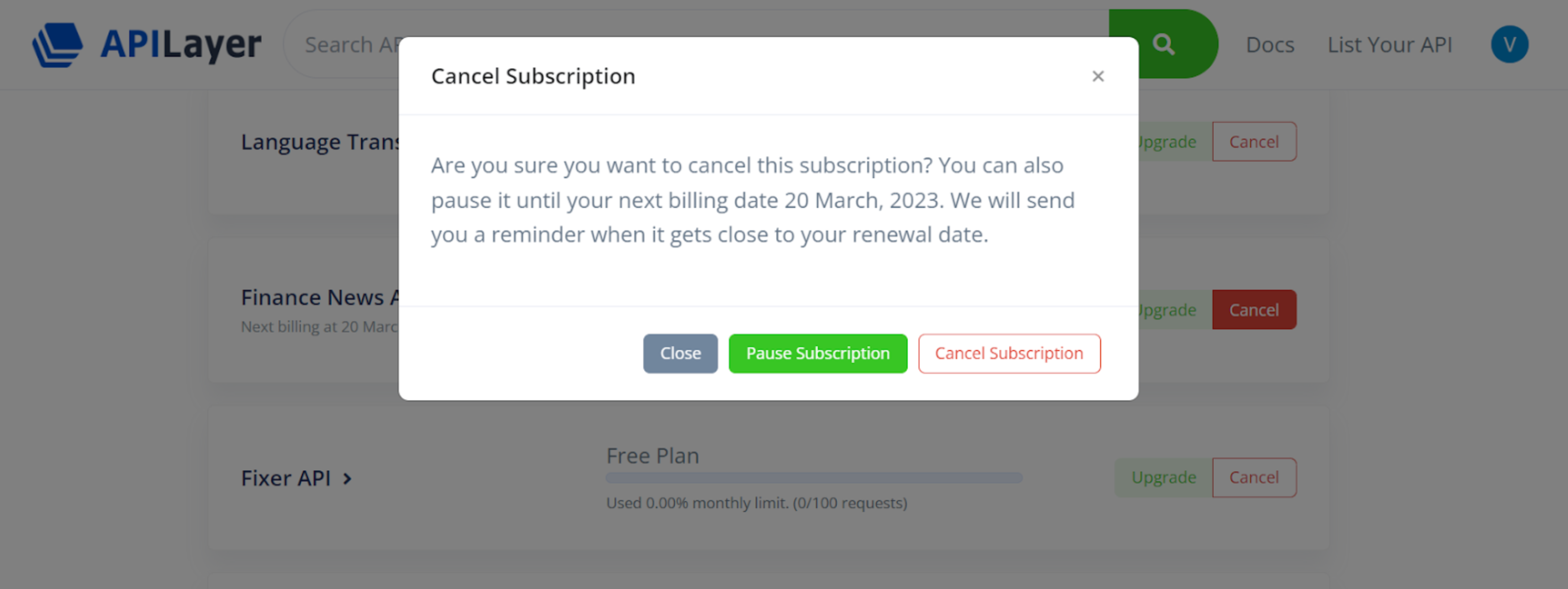
A: Yes—APILayer documentation describes managing subscriptions in your account so you can prevent future renewals; just don’t rely on cancellation as a refund mechanism.
Q: Do all APIs have a free plan?
A: APILayer documentation indicates many APIs include a free plan unless the listing says otherwise, which is ideal for evaluation and prototyping.
Q: What should I do before upgrading tiers?
A: Track your request volume, error rates, and rate-limit behavior for a few days of real traffic, then upgrade only when you have evidence that the higher tier will remove a real bottleneck.
Operator notes: Last checked: March 2026. I verified, on official APILayer documentation and terms pages, that (1) the marketplace supports subscribing to API plans and commonly includes a free tier unless otherwise stated, (2) checkout supports coupon entry and uses Stripe on the billing page example, and (3) the Marketplace Terms of Use describe purchases as final/non-refundable and explain trial/recurring billing behavior. I did not verify any currently active, public coupon code that is consistently available to all users; if you see a code on a third-party coupon site, treat it as unverified until your order summary confirms the discount.
